Maximizing Revenue in C-Stores: Strategies for Managing Tech Debt
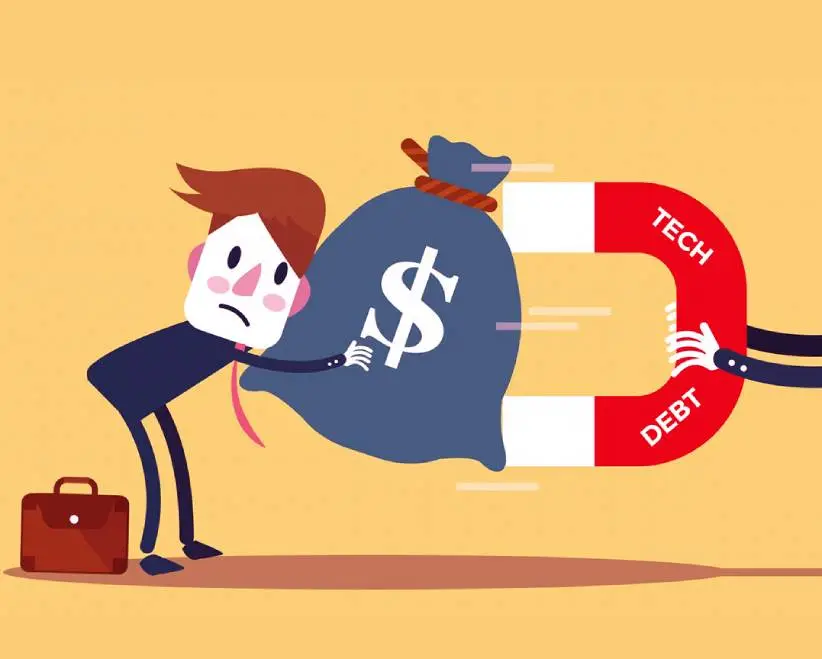
The purpose of technology is to simplify our lives, and nowhere is that more essential than your C-store business. The more technology can help business operations, the greater the need. Investing in technology is an investment into your business and your future, but innovation requires you to consider two key areas of your business: where you need to invest for increased efficiency, and how to manage the financial investment. Are you ready to manage tech debt?
What is Tech Debt?
When a C-store upgrades systems, the investment is two-fold: time and resources:
Time –
- Researching the best investment for your C-store needs
- Installing and/or updating systems
- Learning new systems
Resources –
- Determining a strategy to offset the financial investment
- Training teams on new systems
The best way to approach any investment is to lay out your roadmap to a quick return. Investing in technology is inevitable, but managing the tech debt is best with a plan for maximizing your return on investment.
How Can C-stores Manage Tech Debt?
More than 60% of convenience stores in North America are individually owned and operated, which means the deep corporate pockets of larger and national chains don’t exist for investments in technology upgrades. Competition is fierce in the retail industry, especially for C-stores, bars, and restaurants – just consider how often we hear about mobile apps and online ordering. Independent C-stores often absorb tech debt with any technology upgrades and need to find ways to maximize revenue to manage this debt as quickly and efficiently as possible.
Focusing on technology investments that are core to operations may seem like the logical approach, but innovation isn’t limited to “core operations”. Providing additional entertainment as your customer shops or waits for services can be a mutually beneficial experience with a financial payout. Gaming equipment machines for stores like double, vertical, and single game cabinets can engage customers and have them stay awhile. Additionally, introducing skill-based game machines for your store can be entertaining and mentally stimulating – and, most importantly, profitable.
Overcome Tech Debt: How to Maximize Revenue with Skill Games
Adding a skill-based gaming cabinet to your C-store can benefit your C-store ecosystem. An entertainment option in your C-store, like a skill game cabinet, gives your customers a thrilling experience while they eat, shop, and wait. Specifically, skill-based games allow players to use skills and strategic thinking to win money without relying on luck and chance. Advantages include a higher audience reach, fun and upbeat ambiance, increased time spent in your C-store, increased sales, and happy customers – all of which add up to increased profits.
By finding a new and innovative revenue stream for your business with skill game cabinets, C-store owners can diversify their profit portfolio. Offsetting system upgrade costs helps your bottom line and leads to a much faster tech debt recovery time frame. Another benefit of adding skill-based games to your C-store, and a new revenue stream, is that your business can manage economic uncertainties and stabilize income strategies to pay the bills.
Funambulist Gaming partners with C-stores, bars, and restaurants and provides skill-based gaming cabinets and takes care of all the details – filing the applications, paying the fees, installing the cabinets in your business, maintaining the machine, providing training and an online login to transparent accounting system so partners can see exactly how much profit the cabinets are making at that moment. By investing in new games and cabinets, Funambulist Gaming ensures customers are always entertained by the latest in gaming technology and innovation.
Protect Your Investment and Manage Tech Debt
Call Funambulist Gaming today at 800-418-6915 or visit our website and partner with us to create a new revenue stream to maximize your profits.
FAQ’s
What is tech debt, and why does it matter for convenience stores?
Tech debt is the long-term cost of choosing “quick fix” legacy systems over scalable solutions. For C-stores, it matters because unmanaged debt slows down transaction speeds and creates expensive integration hurdles later.
How can outdated technology reduce revenue in a c-store?
Legacy POS systems and slow hardware lead to longer checkout lines, causing “basket abandonment.” Furthermore, old tech often lacks the security needed to prevent modern fraud, directly draining your store’s bottom-line profits.
What technological upgrades most impact convenience store profitability?
Upgrading to unified cloud-based POS systems and AI-driven inventory tools offers the highest ROI. These technologies reduce labor hours, minimize stockouts of high-margin items, and enable personalized loyalty programs that drive repeat visits.
Should convenience stores invest in automation and self-checkout systems?
Yes. In 2026, self-checkout is a consumer expectation. These systems allow your limited staff to focus on high-value tasks, like foodservice preparation, while accelerating the “grab-and-go” experience that defines modern C-store success.
How can data analytics help convenience stores make better business decisions?
Analytics transform raw sales data into “actionable signals.” By identifying specific shopping patterns and peak hours, you can optimize staff schedules, tailor promotions to local demographics, and reduce waste in your fresh food programs.