
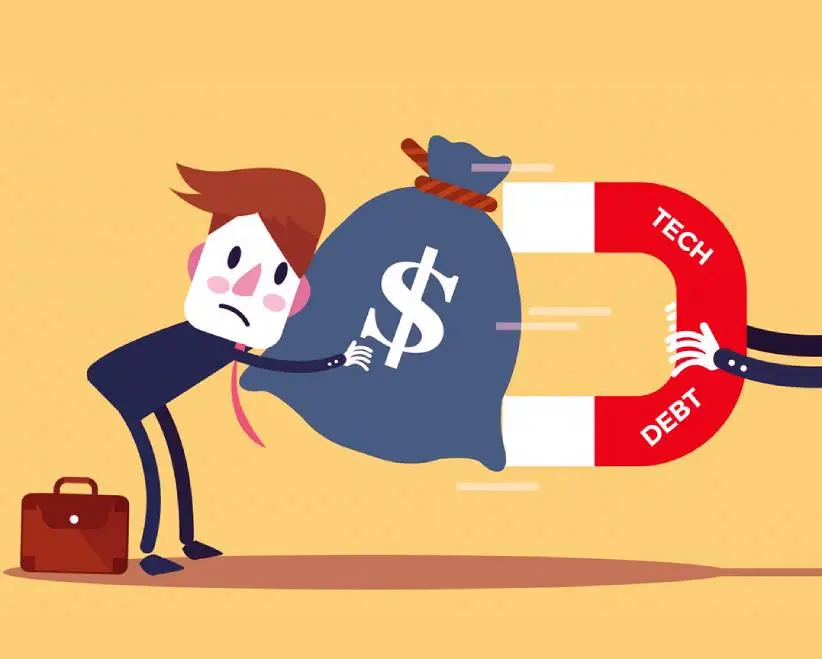
Maximizing Revenue in C-Stores: Strategies for Managing Tech Debt
The right technology can do more than simplify your C-store operations—it can help you increase revenue, improve the customer experience, and build a more profitable business. From point-of-sale (POS) systems and digital payments to loyalty programs and gaming entertainment, making smart technology investments can open up new opportunities for growth.
However, every investment comes with a cost. For independent convenience store owners, the challenge is finding the right balance between upgrading essential systems and generating enough revenue to support those improvements. With the right strategy, you can make technology work for your business while managing the financial burden of upgrades, also known as tech debt.
How Technology Investments Impact C-Store Revenue
When a C-store upgrades systems, the investment is two-fold: time and resources:
Time –
- Researching the best investment for your C-store needs
- Installing and/or updating systems
- Learning new systems
Resources –
- Determining a strategy to offset the financial investment
- Training teams on new systems
The best way to approach any investment is to lay out your roadmap to a quick return. Investing in technology is inevitable, but managing the tech debt is best with a plan for maximizing your return on investment.
Smart C-Store Revenue Strategies for Managing Technology Costs
More than 60% of convenience stores in North America are individually owned and operated, which means the deep corporate pockets of larger and national chains don’t exist for investments in technology upgrades. Competition is fierce in the retail industry, especially for C-stores, bars, and restaurants – just consider how often we hear about mobile apps and online ordering. Independent C-stores often absorb tech debt with any technology upgrades and need to find ways to maximize revenue to manage this debt as quickly and efficiently as possible.
Focusing on technology investments that are core to operations may seem like the logical approach, but innovation isn’t limited to “core operations”. Providing additional entertainment as your customer shops or waits for services can be a mutually beneficial experience with a financial payout. Gaming equipment machines for stores like double, vertical, and single game cabinets can engage customers and have them stay awhile. Additionally, introducing skill-based game machines for your store can be entertaining and mentally stimulating – and, most importantly, profitable.
Exploring different c-store revenue strategies can help business owners make the most of their investments. While operational upgrades improve efficiency, adding new customer experiences can create additional earning opportunities without changing your core business.
Adding Skill Game Machines as a Revenue Stream
Adding a skill-based gaming cabinet to your C-store can benefit your C-store ecosystem. An entertainment option in your C-store, like a skill game cabinet, gives your customers a thrilling experience while they eat, shop, and wait. Specifically, skill-based games allow players to use skills and strategic thinking to win money without relying on luck and chance. Advantages include a higher audience reach, fun and upbeat ambiance, increased time spent in your C-store, increased sales, and happy customers – all of which can contribute to increased profits.
By finding a new and innovative revenue stream for your business with skill game cabinets, C-store owners can diversify their profit portfolio. Offsetting system upgrade costs helps your bottom line and may contribute to a faster recovery of technology investment costs, depending on actual gaming revenue and operating expenses. Another benefit of adding skill-based games to your C-store, and a new revenue stream, is that your business can manage economic uncertainties and develop additional income opportunities to support operating costs.
How Gaming Entertainment Supports C-Store Profitability
Gaming entertainment creates an opportunity for C-store owners to earn revenue beyond traditional retail purchases. Customers already visiting your store for fuel, snacks, or other essentials may appreciate having another entertainment option available.
For independent operators, this means introducing an additional service without needing to expand their product inventory. The potential financial benefits depend on customer participation, equipment performance, and the revenue-sharing arrangement with the gaming provider.
C-Store Technology Checklist: What Should You Prioritize?
Before investing in new technology, take a closer look at the systems your C-store already uses. The following checklist can help you identify opportunities to improve daily operations, enhance customer convenience, and introduce additional revenue sources.
| Technology Area | What to Evaluate | Potential Business Benefit |
| Point-of-Sale (POS) Systems | Checkout speed, transaction reporting, inventory integration, and system reliability | Smoother transactions and better sales visibility |
| Payment Technology | Contactless payments, digital wallets, payment security, and processing efficiency | Greater customer convenience and fewer checkout delays |
| Loyalty Programs | Customer rewards, repeat-purchase incentives, and purchase tracking | More opportunities to encourage repeat visits and customer retention |
| Gaming Entertainment | Available space, equipment performance, maintenance support, and revenue-sharing arrangements | An additional entertainment option and potential revenue stream |
You don’t have to upgrade every system at once. Start by identifying what will make the biggest difference for your customers and your business. A thoughtful investment plan can help you control expenses while preparing your C-store for long-term growth.
Measuring the ROI of Gaming Entertainment
Understanding how much revenue a new gaming installation generates is essential when deciding whether it can help offset other technology expenses. Rather than relying on estimates, C-store owners should review actual earnings, payout arrangements, and any expenses associated with their gaming equipment.
Gaming Revenue and ROI Example
| Revenue Metric | Actual Client Figure |
| Initial equipment or setup investment | Client-confirmed amount required |
| Average monthly gaming revenue | Client-confirmed amount required |
| Store owner’s revenue share | Client-confirmed amount required |
| Monthly gaming-related expenses | Client-confirmed amount required |
| Monthly net income from gaming | Calculate using verified client figures |
| Estimated payback period | Calculate if an initial investment applies |
Once verified figures are available, monthly net income can be calculated by subtracting gaming-related expenses from the store owner’s monthly revenue share. If the store owner makes an initial investment, dividing that investment by monthly net income can provide a simple payback estimate.
Actual results will vary by location, customer activity, operating costs, and the terms of the gaming partnership.
Partner with Funambulist Gaming to Support Your Revenue Goals
Funambulist Gaming partners with C-stores, bars, and restaurants and provides skill-based gaming cabinets and takes care of all the details – filing the applications, paying the fees, installing the cabinets in your business, maintaining the machine, providing training and an online login to a transparent accounting system so partners can see exactly how much profit the cabinets are making at that moment. By investing in new games and cabinets, Funambulist Gaming ensures customers are always entertained by the latest in gaming technology and innovation.
Make Smarter Investments and Maximize Your C-Store Revenue
Call Funambulist Gaming today at 800-418-6915 or visit our website and partner with us to create a new revenue stream to maximize your profits.
FAQ’s
What is tech debt, and why does it matter for convenience stores?
Tech debt is the long-term cost of choosing “quick fix” legacy systems over scalable solutions. For C-stores, it matters because unmanaged debt slows down transaction speeds and creates expensive integration hurdles later.
How can outdated technology reduce revenue in a c-store?
Legacy POS systems and slow hardware lead to longer checkout lines, causing “basket abandonment.” Furthermore, old tech often lacks the security needed to prevent modern fraud, directly draining your store’s bottom-line profits.
What technological upgrades most impact convenience store profitability?
Upgrading to unified cloud-based POS systems and AI-driven inventory tools offers the highest ROI. These technologies reduce labor hours, minimize stockouts of high-margin items, and enable personalized loyalty programs that drive repeat visits.
Should convenience stores invest in automation and self-checkout systems?
Yes. In 2026, self-checkout is a consumer expectation. These systems allow your limited staff to focus on high-value tasks, like foodservice preparation, while accelerating the “grab-and-go” experience that defines modern C-store success.
How can data analytics help convenience stores make better business decisions?
Analytics transform raw sales data into “actionable signals.” By identifying specific shopping patterns and peak hours, you can optimize staff schedules, tailor promotions to local demographics, and reduce waste in your fresh food programs.